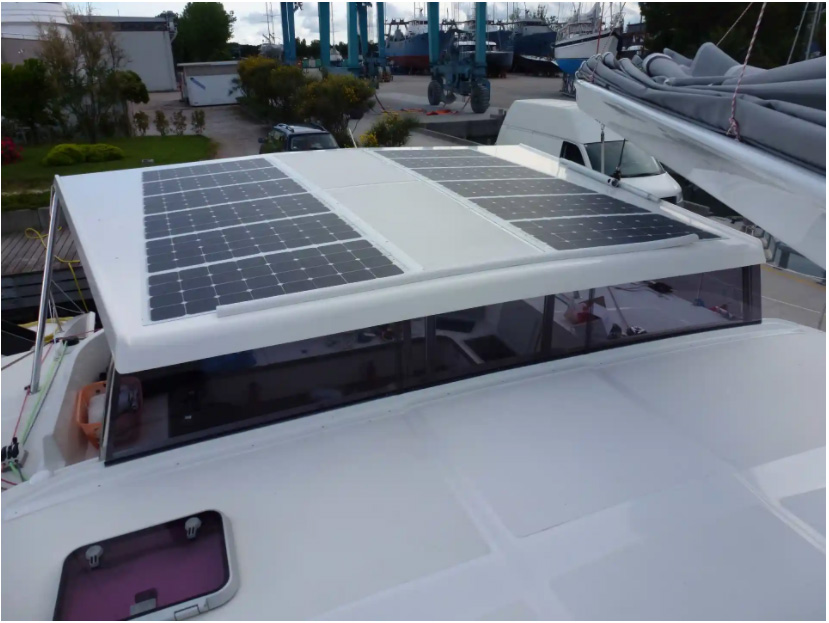
Let me tell you about the electrical nightmares we faced with “Horizon Seeker,” our 45-foot Lagoon catamaran based in the French Riviera. Running a generator constantly wasn’t just noisy – it was eating into our precious peace and quiet. That’s how Project France Marine 2016 began, and it became the most significant upgrade we’ve ever made to our vessel.
The solution was both simple and massive: twelve Bright Solar 100W flexible solar panels, creating a formidable 1.2-kilowatt array across our vast catamaran roof space. Why the 100W flexible solar panel specifically? After testing several options, we found this model offered the perfect balance between power output and installation flexibility. Each 100W flexible solar panel could be positioned to follow the complex curves of our catamaran’s coach roof without compromising performance.
Installation was… well, let’s call it an adventure. Our team spent three full days meticulously arranging the twelve panels in a grid pattern that maximized surface coverage while maintaining walkways. We used a combination of marine adhesive and discreet stainless steel fasteners at the edges. The hardest part was routing all the wiring through existing conduits – I still remember the relief when the final connection was made without a single wiring error.
The results? Absolutely transformative. On a typical Mediterranean day, our array generates between 5-7 kWh – enough to power everything from our water maker and refrigerator to the navigation systems and entertainment center. We’ve completely eliminated generator use during daylight hours, and our battery bank typically reaches full charge by early afternoon even with all systems running.
During our summer cruise from Nice to Corsica, we discovered something remarkable. The distributed nature of having twelve separate 100W flexible solar panels meant that even when shadows from the sails fell across part of the array, we still maintained significant power generation. The system’s redundancy proved invaluable when one panel temporarily developed a connection issue – we barely noticed the difference in overall output.
Three years later, I can report that the panels have weathered some serious Mediterranean storms without any degradation. The only maintenance required was reapplying sealant around a few edges after the second year. If I were to critique anything, I’d say the initial investment felt substantial, but the complete freedom from generator dependence has made every euro worthwhile.
For any serious cruiser considering solar, our experience with Project France Marine 2016 demonstrates that sometimes more is indeed better. Those twelve reliable 100W flexible solar panels haven’t just powered our boat – they’ve fundamentally improved how we experience life at sea.
See why we call them the best flexible solar panels. Project USA RV 2019 features three Bright Solar 100W panels powering a 6-month journey across America's national parks.
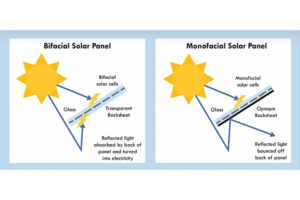
what is bifacial solar panel and why does it generate more power than conventional modules? Bright Solar explains how bifacial design, installation angle and reflective surfaces boost energy yield for utility and commercial projects.
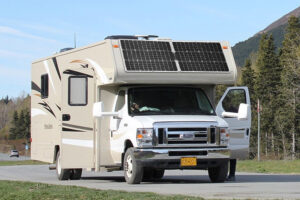
Discover how Project Australia RV 2018 used 400W of flexible solar panels for RV to conquer the outback. This case study shows a simple, powerful setup with Bright Solar 200W panels.
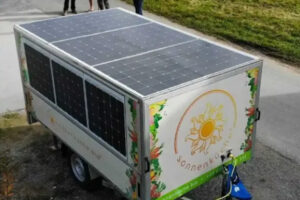
See Project Germany RV 2014 in action. This case study details the custom 900W solar setup using Bright Solar 100W and 200W flexible panels for a German motorhome.
 Bright solar